Cart
0
You might also like



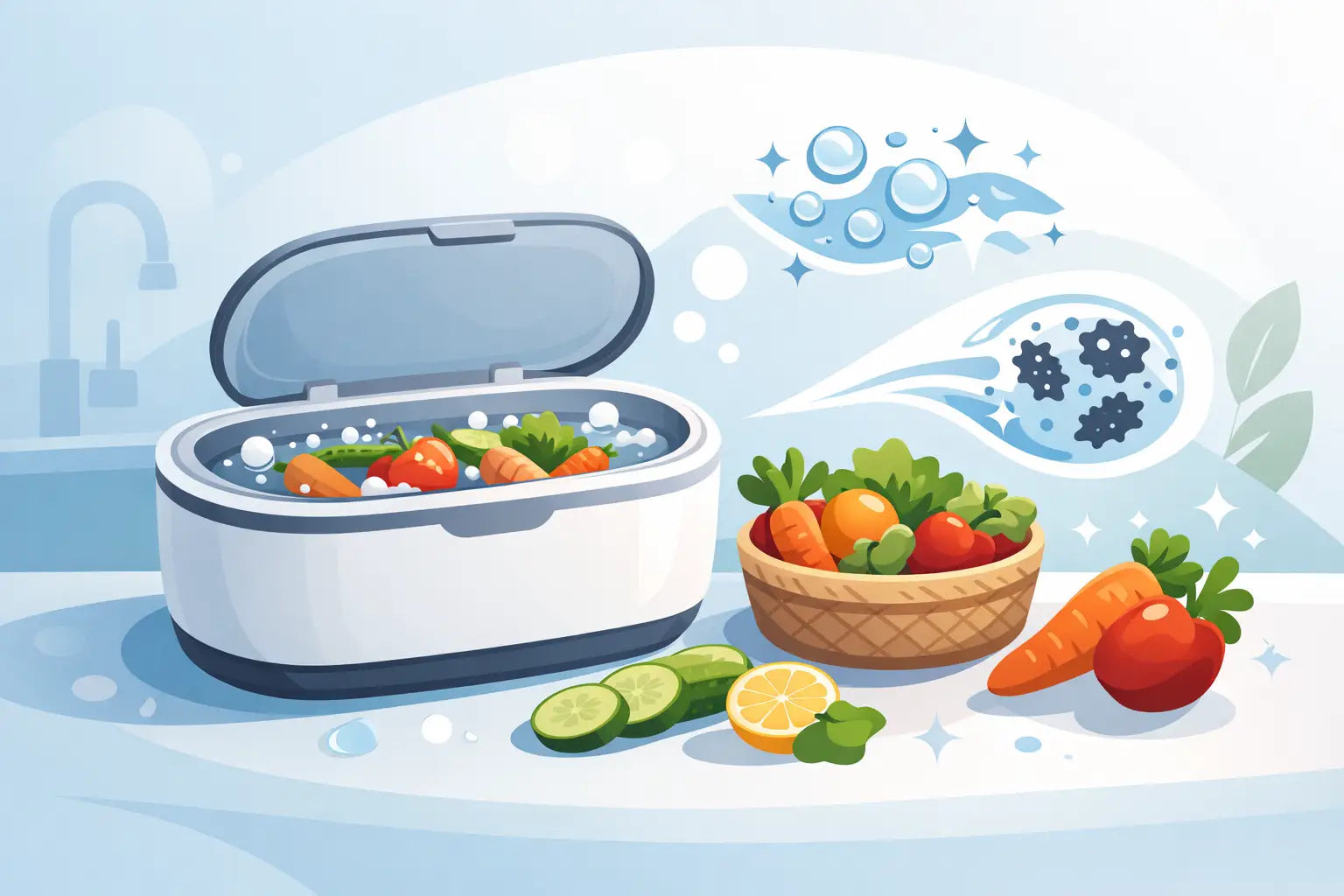
You rinse grapes, apples, and leafy greens under tap water and assume they are clean. But if you have ever seen waxy residue on produce, cloudy water after soaking, or grit still hiding in lettuce, the real question becomes more specific: how does fruit and vegetable cleaner work, and why do so many households now use one as an extra step?
For many Canadian families, plain water no longer feels like enough. Produce can carry dirt, surface pesticide residue, wax, and bacteria picked up during growing, handling, shipping, and storage. A cleaner is designed to go beyond a quick rinse by helping separate and lift more of those unwanted substances from the surface of food. The goal is simple - cleaner ingredients, safer food prep, and more peace of mind at mealtime.
At the simplest level, a fruit and vegetable cleaner works by improving what happens in the wash water. Instead of relying on running water alone, the cleaner creates conditions that help loosen residues and impurities attached to the surface of produce.
This matters because not everything on food washes off easily. Some residues cling to natural pores, textured skins, or waxy coatings. Think strawberries with tiny seeds and crevices, broccoli with tight clusters, or spinach with layered leaves. A standard rinse can remove loose dirt, but it may not do much for particles and film that are sticking more stubbornly.
Many modern cleaners, including electrolytic models, use a process that changes the water through electrolysis. In practical terms, that means the device generates active cleaning components in the water that help break down or detach certain contaminants from the food surface. Once loosened, those impurities can be rinsed away more effectively.
The result is not magic, and it is not a licence to ignore safe food handling. It is an added layer of protection that helps improve the wash step in a way plain water often cannot.
An electrolytic fruit and vegetable cleaner is built to use water and electrical current to create a cleaning action. When the device runs in water, it triggers a reaction that produces oxidizing substances that interact with residues, bacteria, and other impurities on food surfaces.
That sounds technical, but the household benefit is straightforward. These reactive elements help weaken the bond between the produce and what you do not want on it. This can make it easier to remove surface pesticide residues, dirt, wax, and some microorganisms during the wash cycle.
The best way to think about it is not as a soap or chemical coating added to your food, but as a short cleaning process in the water itself. The cleaner changes the washing environment for a few minutes, then the food is removed and rinsed or used according to the product directions.
This is one reason many health-conscious households prefer this type of solution. It gives them a stronger cleaning step without turning produce washing into a complicated routine.
A good cleaner is typically used to reduce surface-level contaminants rather than alter the food itself. That distinction matters.
In normal home use, people reach for a produce cleaner because they want help removing pesticide residues, bacteria, dirt, sand, wax, and other visible or invisible impurities that may be sitting on the outside of fruits and vegetables. Some also use similar cleaning technology for meats and seafood, where surface cleanliness is another concern before cooking.
There are limits, though. If a substance has already been absorbed deep into the produce, no surface cleaner can fully reverse that. The same goes for spoiled food. A cleaner can support better hygiene, but it does not make old produce fresh again or make unsafe food risk-free.
That is why the strongest products are positioned correctly. They are not replacing common sense. They are strengthening one of the most important parts of food prep - cleaning before eating or cooking.
Running produce under the tap is better than doing nothing, but it is a light treatment. Water is good at carrying away loose debris. It is less effective when residue is oily, sticky, waxy, or trapped in uneven surfaces.
That is where people notice the difference between a basic rinse and a dedicated cleaner. Produce like cucumbers, apples, peppers, and grapes often has a surface feel that suggests more than dust is present. Leafy greens can hide soil and microbes between folds. Root vegetables bring obvious dirt from the field. In all of these cases, a more active washing process can make practical sense.
This is also why home methods like vinegar or baking soda remain popular, but they are not always ideal. They can be inconsistent, leave odour or taste behind, and add another step to an already busy kitchen routine. A purpose-built cleaner aims to deliver a faster, more repeatable result.
If you want the cleaner to do its job well, technique matters. Overcrowding a wash bowl, rushing the cycle, or skipping a final rinse can affect results.
Start with a clean container or sink and enough water for the produce to move freely. Add the fruits or vegetables without packing them too tightly. Then run the cleaner for the recommended amount of time. During that period, the water is doing the work of helping lift surface impurities.
After the cycle, remove the food and rinse if the device instructions call for it. For leafy greens, separate leaves when possible. For firm produce, wash before cutting so contaminants from the outside are less likely to transfer inward with a knife.
This process usually takes only a few minutes, which is why it fits well into everyday meal prep. It is not a major kitchen project. It is a quick habit that helps support cleaner food.
It works best as a general cleaning step for common fresh foods, but results can vary by produce type. Smooth-skinned items such as apples, tomatoes, and peppers are usually easy to wash well. Textured produce like broccoli, berries, grapes, and leafy greens can benefit even more because they have more places for residue and dirt to cling.
Very delicate produce needs a gentler touch. Soft berries, herbs, and tender greens can be cleaned, but they should be handled carefully to avoid bruising. Thick-skinned produce such as oranges or avocados can also be worth cleaning because the outside surface still comes into contact with your hands and knife before eating.
So the answer is yes, with a small caveat - the cleaner supports surface cleaning, but proper handling still matters depending on the shape and fragility of the food.
For households that buy fresh produce regularly, daily use is often where the value becomes most obvious. The concern is not just one apple or one cucumber. It is the repeated exposure that comes with routine grocery shopping and meal prep.
If you are feeding children, packing lunches, blending smoothies, or serving raw produce often, a stronger cleaning step can feel less like an extra appliance and more like a smart preventive habit. That is especially true for people who care about pesticide residues but do not want to scrub every item by hand.
The trade-off is simple. A cleaner adds one more step, but it saves effort compared with piecemeal washing methods and gives a higher level of confidence than water alone. For many families, that is an easy decision.
When people ask how does fruit and vegetable cleaner work, they are usually asking something deeper: does it actually help me protect what I serve at home?
The practical answer is yes - when it is used properly, a well-designed cleaner helps improve the washing process by loosening and reducing unwanted surface residues, bacteria, and impurities that plain water may leave behind. That does not mean every piece of produce is heavily contaminated, and it does not mean a cleaner replaces all food safety practices. It means you are no longer relying on the weakest part of the prep process when a better option exists.
That is why products like the KSD Cleaner resonate with health-conscious households. They fit real life. They are quick, simple, and built around a clear outcome: helping you feel more confident about the food on your counter before it reaches your plate.
A cleaner kitchen habit does not have to be complicated. Sometimes peace of mind starts with better wash water.

