Cart
0
You might also like



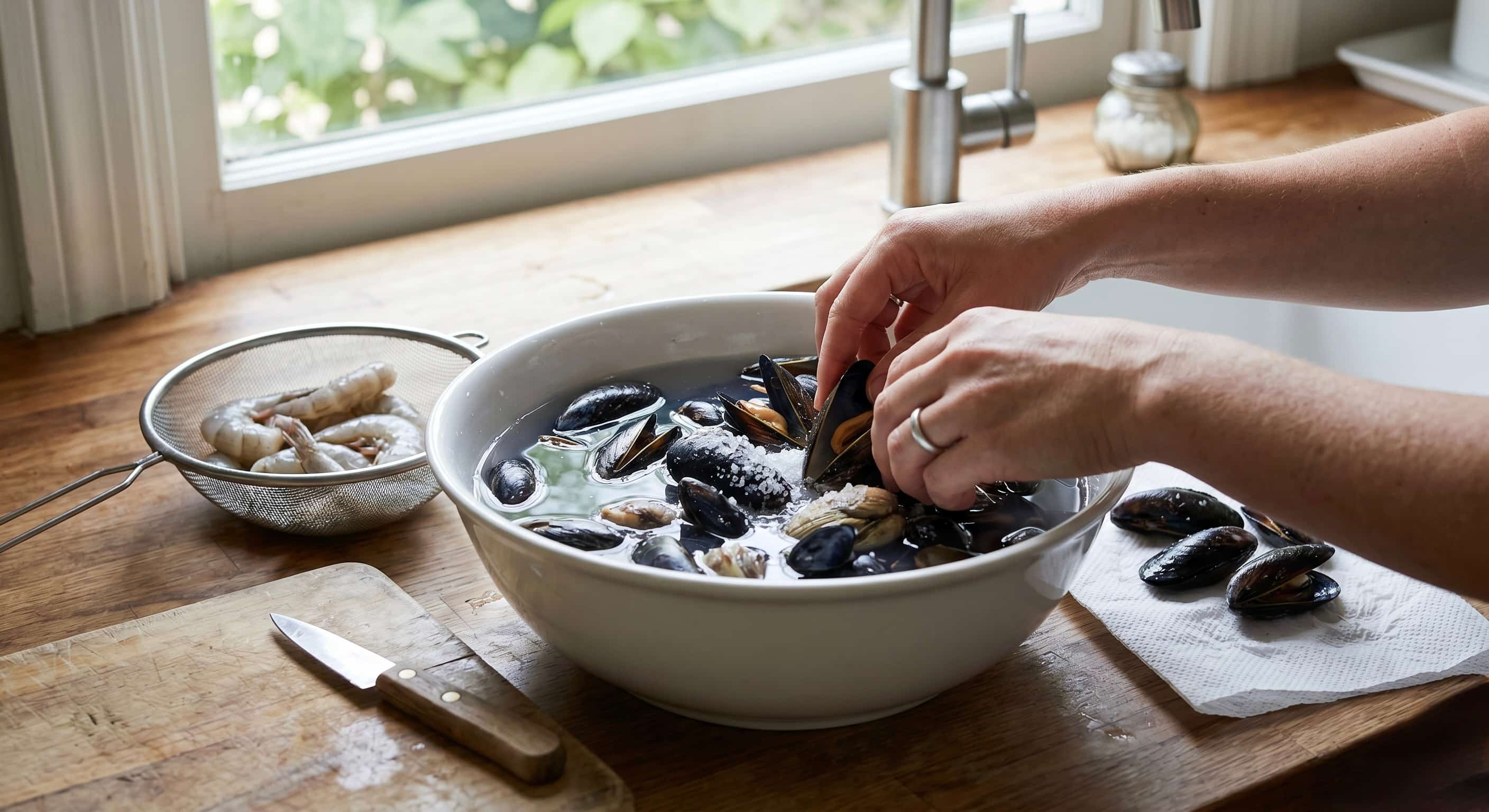
We often think about washing fruits and vegetables to remove pesticides. But what about meat and seafood? These foods, which we consume daily, can contain bacteria, chemical residues, and contaminants that cooking alone does not always fully eliminate.
In this article, we explain why cleaning your meat and seafood before cooking is an essential habit for the health of your whole family — and how to do it effectively.
The meat you buy at the supermarket or butcher has often traveled a long way before reaching your plate. At every stage — slaughter, transport, cutting, packaging — contamination is possible.
Meat surfaces can harbor dangerous bacteria such as:
In intensive farming, animals often receive preventive antibiotics and, in some countries, growth hormones. Traces of these substances can persist in the muscle tissues of meat.
During industrial processing, carcasses are often treated with chemical disinfectants to reduce bacterial contamination. Residues of these products can remain on the surface of the meat.
Seafood — shrimp, mussels, oysters, fish — is particularly exposed to contaminants due to its aquatic environment.
Oceans and rivers are unfortunately polluted. Seafood can contain:
Imported shrimp and fish are often treated with chemical preservatives (bisulfites, sulfur dioxide) to extend their shelf life during transport. These substances can trigger allergic reactions in some people.
Many people rinse their meat and seafood under running water before cooking. It is an instinctive gesture — but its limitations are real.
What water does:
What water does not do:
⚠️ Warning: Health authorities advise against rinsing chicken under running water precisely because of the risk of splashing and cross-contamination. A no-splash cleaning method is therefore preferable.
The most common argument is: "Cooking kills everything anyway." This is partially true — but not entirely.
What cooking eliminates:
What cooking does not eliminate:
This is precisely why the KSD Cleaner was designed to work on all types of food — not just fruits and vegetables.
Its principle: water electrolysis generates hypochlorous acid (HOCl), a molecule with exceptional disinfecting and decomposing properties:
Place your pieces of meat in a container with water, start deep mode (10 minutes), let it rest for 5 minutes, then rinse. Your pieces are ready to cook with a significantly reduced bacterial and chemical load.
Shrimp, fish fillets, mussels, and other seafood benefit particularly from this cleaning. Mild mode (5 minutes) is sufficient for fresh products; opt for deep mode for thawed frozen products or imported products.
| Method | Bacteria | Chemical Residues | Viruses | Cross-Contamination Risk |
|---|---|---|---|---|
| Running water | Partial | ❌ | ❌ | ⚠️ High |
| Vinegar | Moderate | Low | Low | Low |
| Lemon juice | Moderate | Low | Low | Low |
| KSD Cleaner | ✅ Excellent | ✅ Very good | ✅ Good | ✅ None |
The highest risk in terms of bacterial contamination. Always use deep mode (10 min). Never rinse directly under running water in the sink.
Deep mode recommended, especially for ground meat or cuts intended for pink cooking (burgers, rare steaks).
Mild mode (5 min) sufficient for fresh products. Deep mode for imported or thawed products, which often carry more preservatives.
Mild mode (5 min) for same-day fresh fish. Deep mode for intensively farmed fish or modified atmosphere fillets.
Mild mode (5 min) in water with the shells. Particularly useful for reducing Norovirus and Vibrio load before raw consumption.
Meat and seafood deserve the same attention as fruits and vegetables when it comes to cleaning. Bacteria, chemical residues, preservatives, and environmental contaminants are present in these everyday foods — and cooking alone is not enough to eliminate everything.
The KSD Cleaner is designed to meet this challenge: deep cleaning, fast, without added chemicals, applicable to all your food — fruits, vegetables, meats, and seafood.
Because healthy eating starts with truly clean food.

